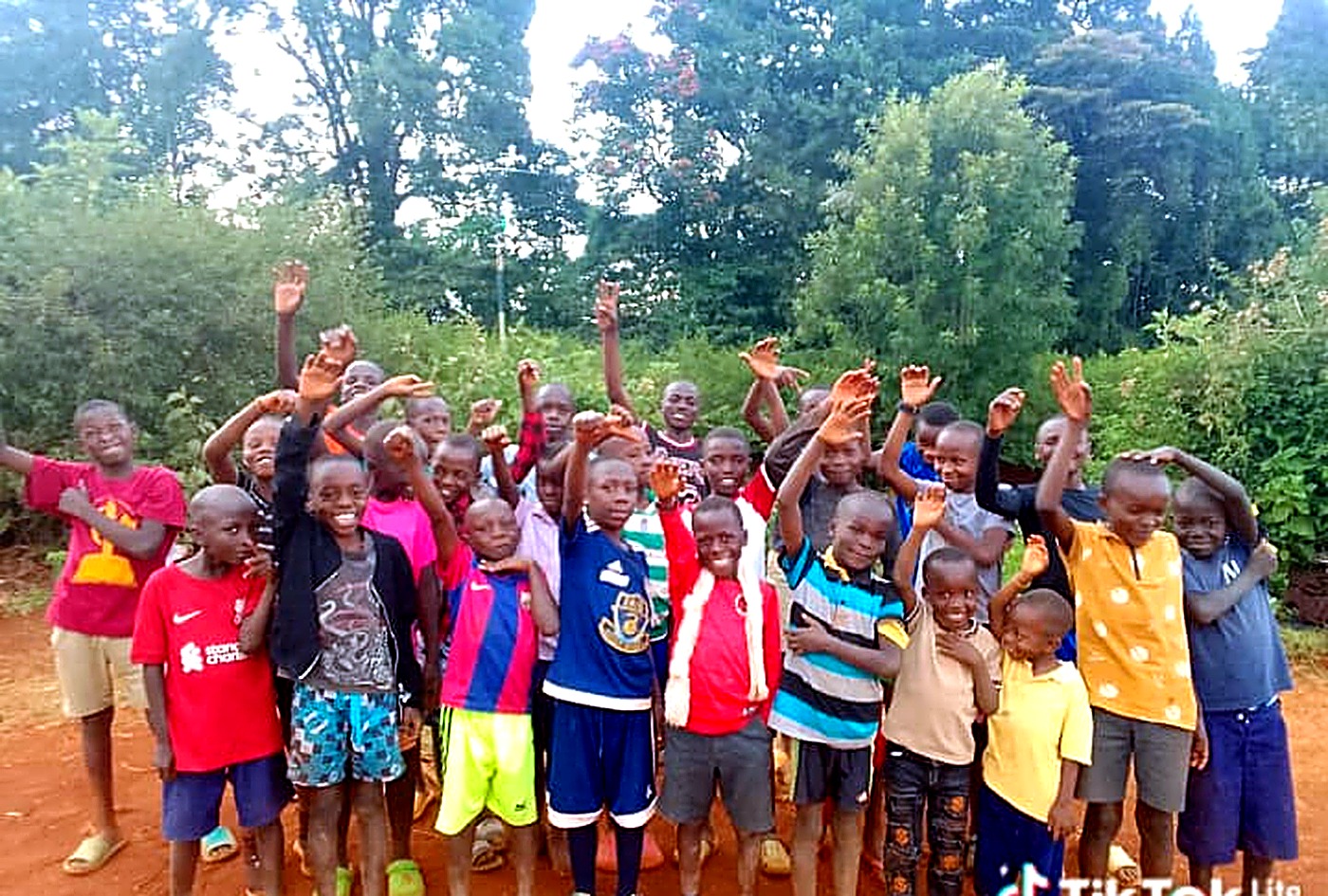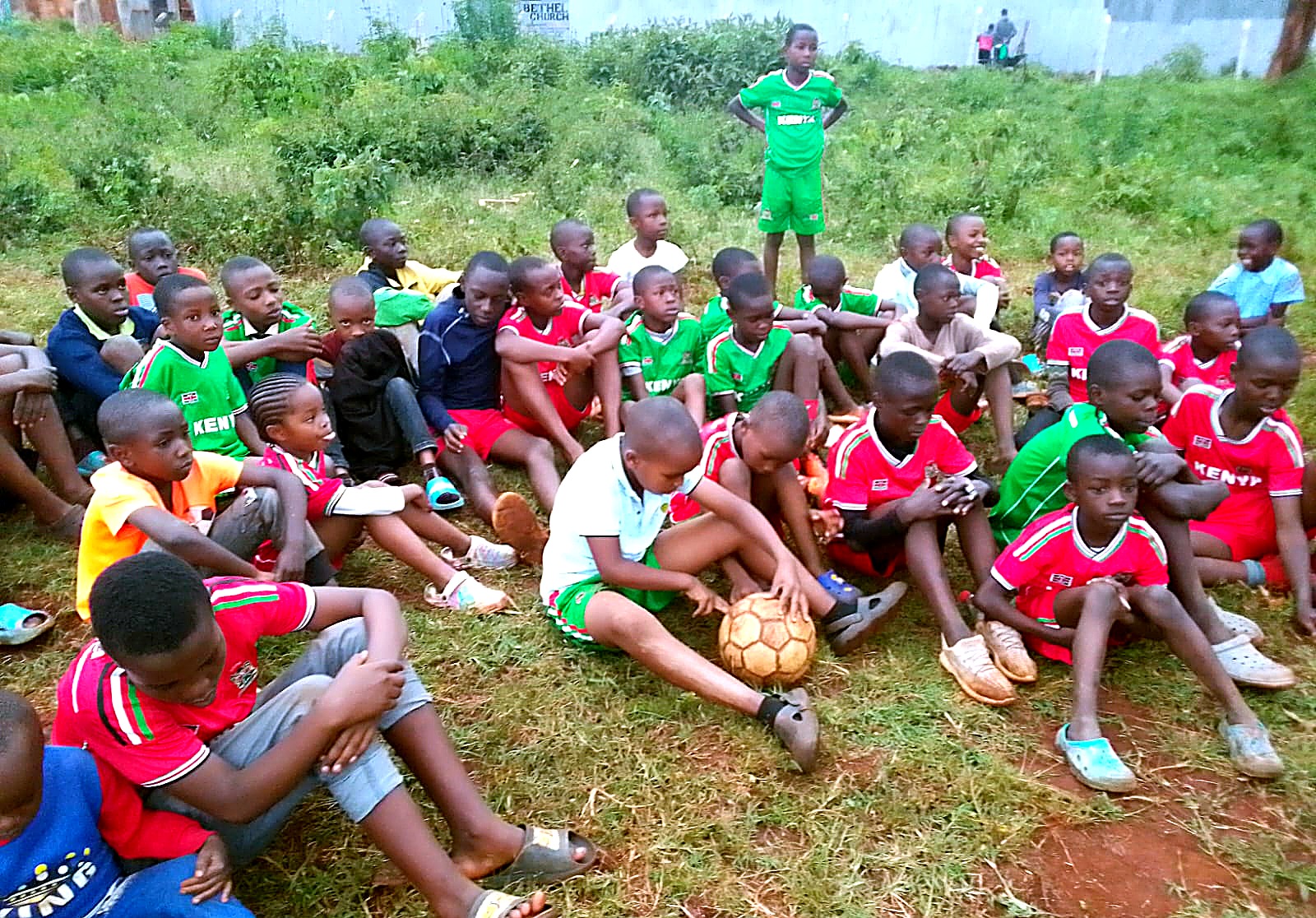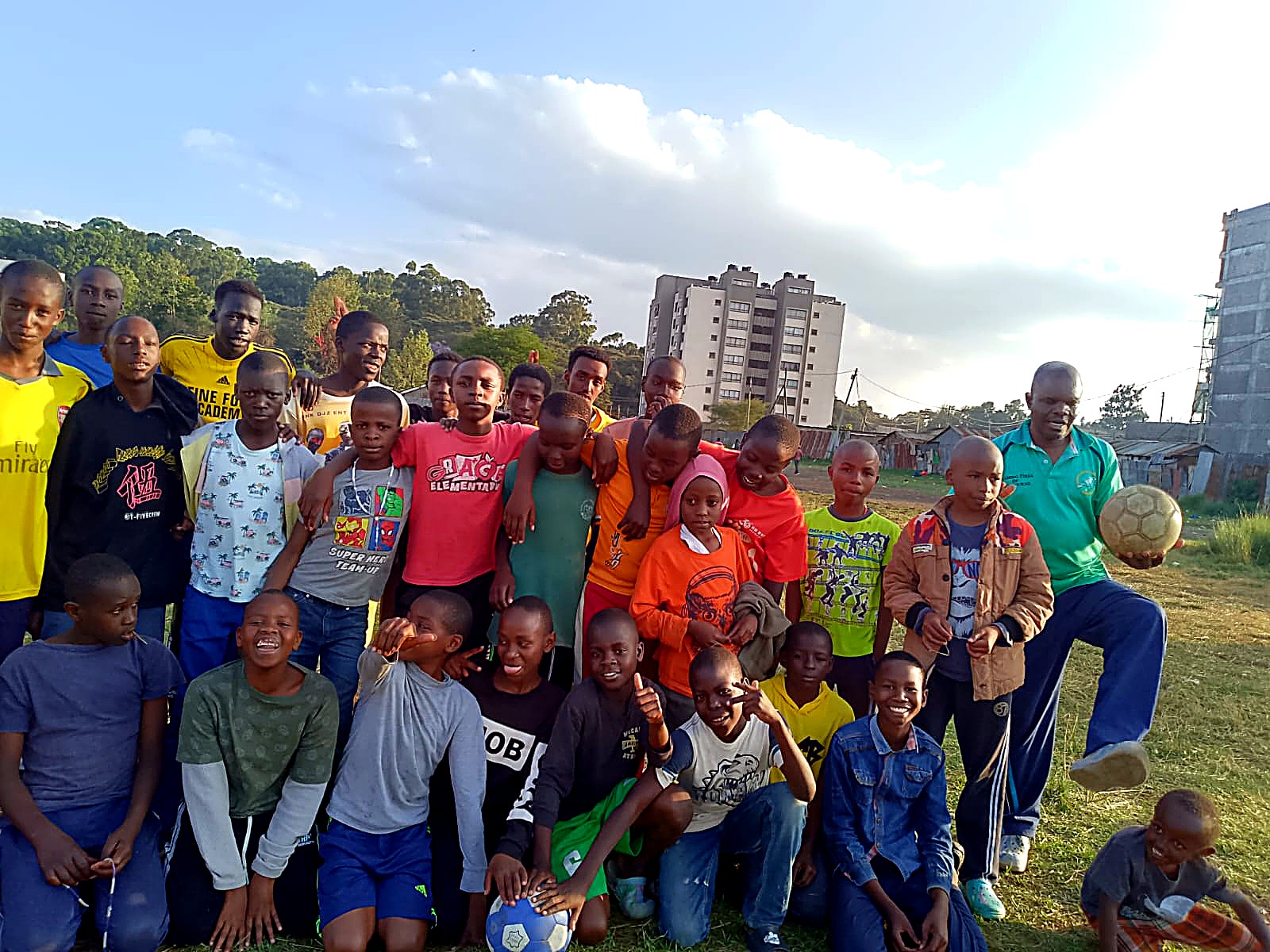
Donate from the US, UK & worldwide•Secure PayPal givingSupport youth in Kenya →
HOMEPROGRAMSDONATECONTACT
02 • Talent Development

Football & Athletics Development

From grassroots discovery to elite readiness, our football and athletics pathway identifies potential across physical, technical, tactical and psychological dimensions — then develops it through structured training, mentorship and competition.

Home / Programs / Football & Athletics
Scouts identifying young players
01 • Identification

Finding Potential, Not Just Performance

Identification is a multi-dimensional process of recognising, capturing and promoting children with the greatest potential to become elite performers — judged under real game conditions, not in isolation.

  • ✓Physical & physiological — speed, agility, power and aerobic capacity under match conditions.
  • ✓Technical & tactical — passing, dribbling, running mechanics plus decision-making and spatial awareness.
  • ✓Psychological & cognitive — resilience, motivation, concentration and pattern recognition.
  • ✓Maturation status — biological maturity and relative age effect, so late developers are never overlooked.

Detection starts in grassroots and informal settings, then feeds a long-term plan — roughly 8 to 16 years of deliberate practice from youth to elite. See age-based pathway.
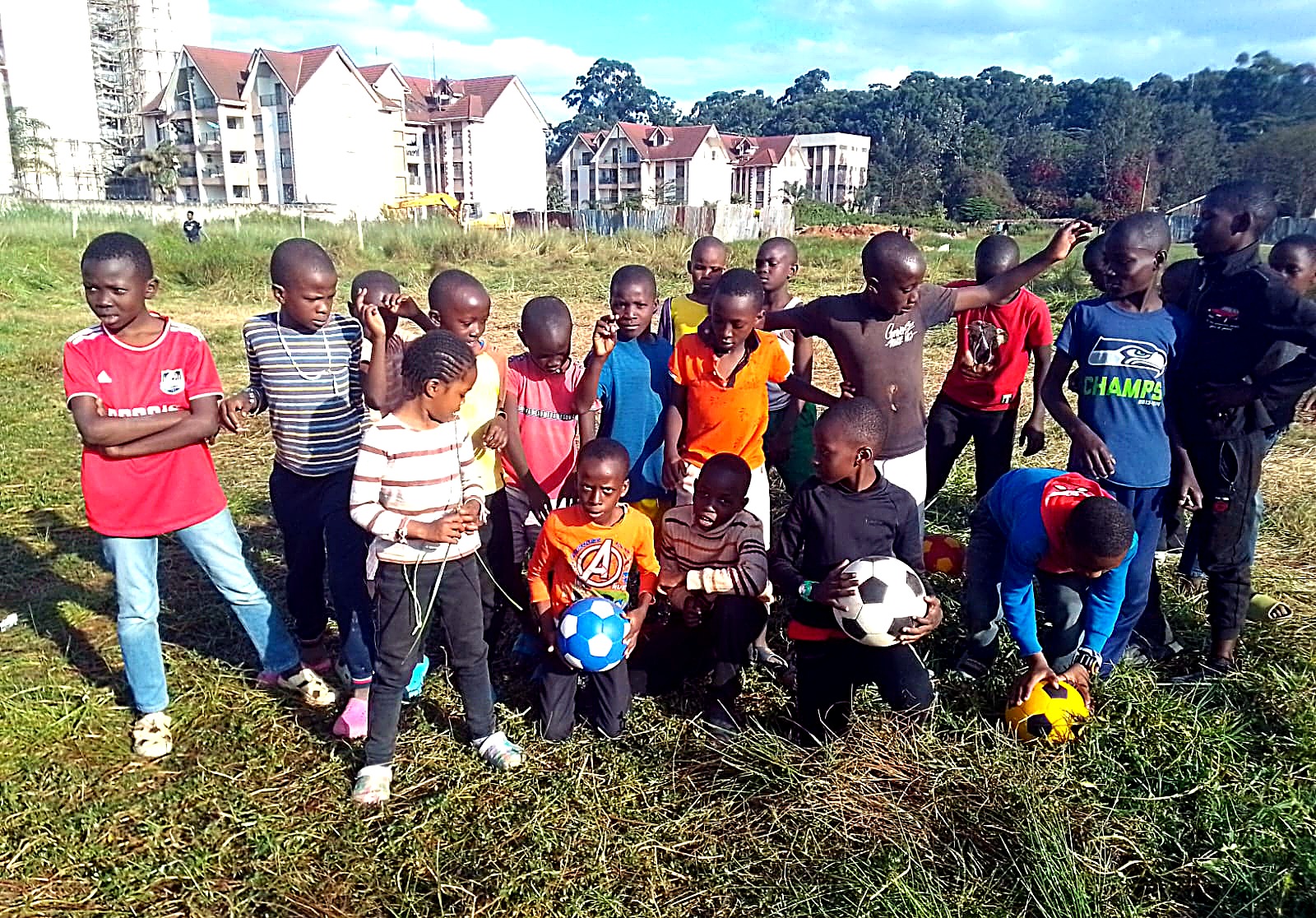
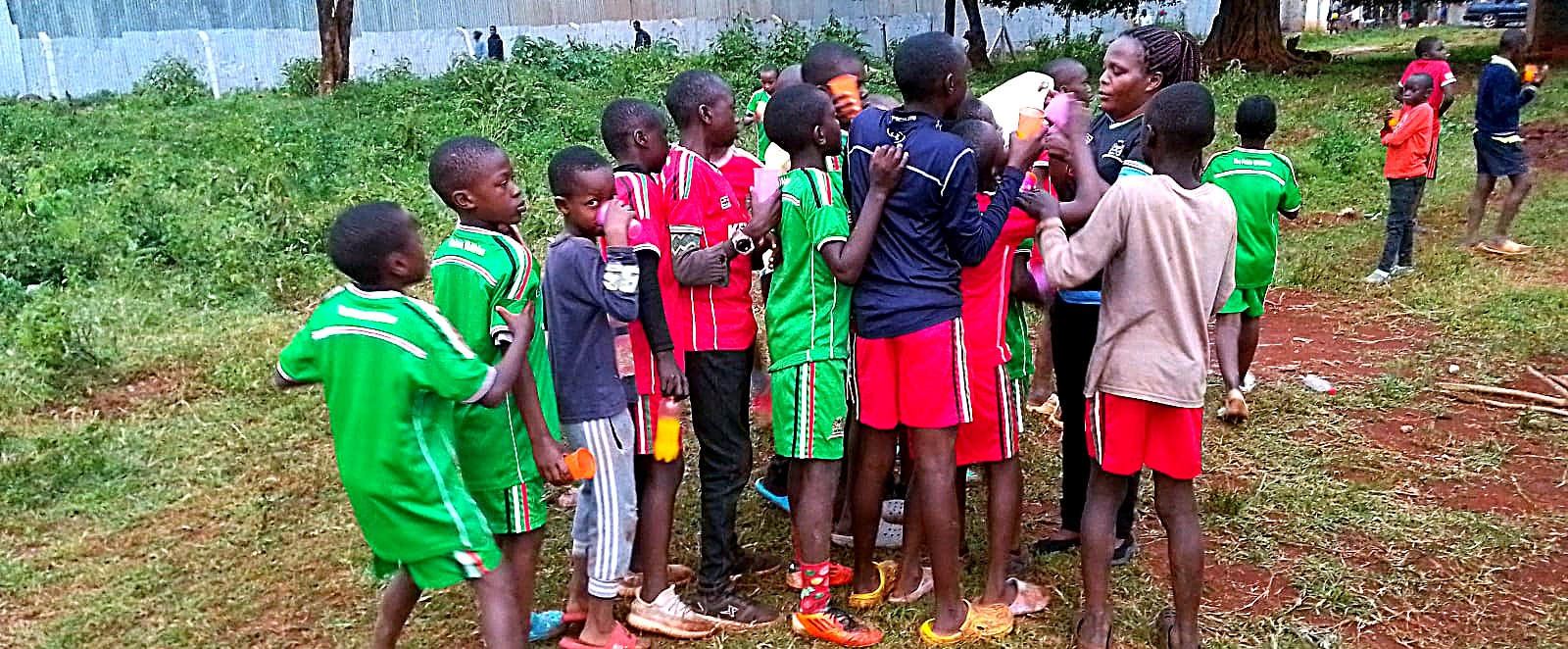
02 • Assessment

Measured Against Age-Specific Benchmarks

Every player is tracked across physical, technical, tactical and psychological progress — with regular longitudinal data, not one-off trials, and clear goal-oriented feedback to players and coaches.

  • ✓Physical conditioning — 30-metre sprints, strength, force development and endurance, including GPS tracking.
  • ✓Technical skills — ball control, passing accuracy, shooting mechanics and athletics movement in real game contexts.
  • ✓Tactical awareness — positioning, game reading and decision-making via video analysis and match observation.
  • ✓Psychological & social growth — resilience, focus, confidence and discipline through structured observation.
  • ✓Growth & maturation — biological age and Peak Height Velocity (PHV) monitoring to adjust loads and cut injury risk.
Assessing youth athletes in training
Coaches leading structured training
03 • Training

Foundations First, Then Specialisation

Structured training combines foundational physical literacy, sport-specific strength and technical mastery — with aerobic and interval balance, plus sleep hygiene, hydration and active recovery.

  • ✓Fundamental movement — running, jumping and changing direction before adding intense loads.
  • ✓Strength & power — light compound lifts and plyometrics for lower-body drive and acceleration.
  • ✓Speed & agility — short-burst sprints, ladder footwork and multi-directional drills at maximum effort.
  • ✓Mobility & injury prevention — hip and ankle flexibility plus Nordic curls to protect joints.
  • ✓Football integration — small-sided games, scanning awareness and decision-making under pressure with age-appropriate progression.
04 • Mentorship

Complete Players, On And Off The Field

Mentorship builds leaders, not just athletes — pairing technical and tactical growth with discipline, emotional control and accountability. Every player follows an Individual Development Plan (IDP) covering growth patterns, confidence and recovery from setbacks like injury, plus guidance on trials, scouting and balancing education with sport. Meet our mentors →

IDPsLife coachingVideo analysisAcademicsTrials
05 • Competition

Stage-Based, Task-Focused Match Play

Competitions follow structured grassroots pathways with age-appropriate rules, reduced heavy contact early on, and task-oriented learning — personal mastery over mere results — to cut burnout and handle pressure.

  • ✓Initiation, ages 6–16 — fun, coordination and foundational movement.
  • ✓Development, ages 12–16 — tactical awareness and positional understanding.
  • ✓Perfection, ages 14–18 — professional readiness and high-intensity demands.
  • ✓Grassroots to global — school tournaments, inter-county play, talent combines and floodlight leagues linking to scouts and Olympic pathways.
Youth team competing
Players ready for exposure matches
06 • Exposure & Progression

From Multi-Sport Play To Elite Performance

Early exposure favours multi-sport play and informal free play; coach-led specialisation rises through adolescence with week-to-week maturation tracking of workloads, minutes and effort through connected systems like Kitman Labs.

  • ✓Foundation, ages 8–16 — motor skills, coordination, small-sided games and running mechanics without heavy loads.
  • ✓Development, ages 8–16 — skill mastery, passing combinations, event-specific drills, aerobic base and core stability.
  • ✓Perfection, ages 10–18+ — collective tactics, decisions under pressure, peak anaerobic and maximal strength work, nutrition and injury management.

Graduates progress to clubs, schools and higher levels — explore all programs or the full pathway.

Creating Opportunities

Help Talent Reach Clubs And Scholarships

Your gift funds coaching, kits and competition for vulnerable youth in Nairobi — and connects standout players with clubs, academies, schools, universities, sponsors and scouts.

ClubsAcademiesSchoolsUniversitiesSponsorsScouts
Donate Now →Contact Academy